A Lifeline Across the Pacific: Delivering Critical Cargo When Communities Need It Most
When a hurricane strikes, a tsunami disrupts a community or a public health emergency creates an urgent need for supplies, access to reliable transportation can make a critical difference. For Pacific Island communities separated by vast stretches of ocean, air cargo is often an essential connection to the resources needed for recovery.
Power generators, water purification equipment, medical supplies, fresh food and drinking water are more than shipments. They help hospitals operate, support emergency responders and give families access to basic necessities when local infrastructure is under pressure.
Pacific Air Cargo has long served Hawaii and Pacific markets, helping move essential freight through scheduled services and specially arranged charters when timing and coordination matter most.
When Every Shipment Matters
Natural disasters can interrupt electricity, communications, transportation and access to clean water. Even when local teams are ready to respond, they may depend on supplies arriving from outside the affected island.
Air freight provides a way to move critical goods when ocean transport is too slow for an immediate need. Shipments may include generators to restore power, water purification units and bottled water, medical equipment, emergency supplies and fresh food.
The requirements can change quickly. Reliable humanitarian transportation depends on flexibility, clear communication and experienced people who understand the importance of every delivery.
Supporting Communities After Hurricanes and Tsunamis
Across the Pacific, severe storms and tsunamis can create urgent and unpredictable logistics challenges. Roads, ports and local facilities may be damaged, while demand for basic supplies rises sharply.
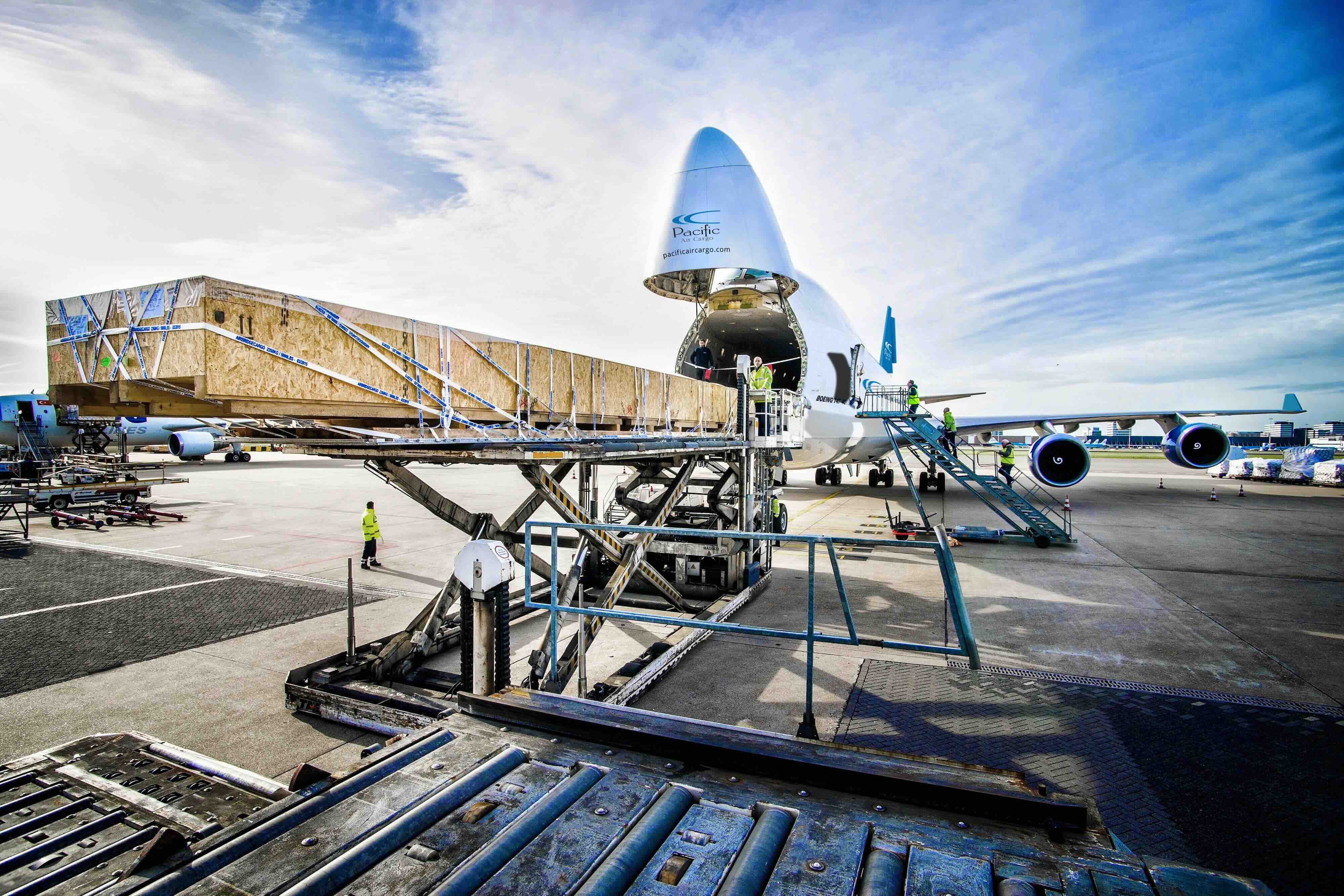
PAC works to help coordinate the movement of relief cargo to island communities, including heavy equipment and essential supplies needed for emergency response and recovery. Its oversized cargo capabilities can be especially relevant when relief efforts require large generators, machinery or other substantial equipment.
Each shipment must be evaluated against available aircraft capacity, airport conditions, handling equipment and destination requirements. Careful planning helps responders and logistics teams make the most of available transportation options.
A Vital Connection During Public Health Emergencies
Public health emergencies place extraordinary pressure on island supply chains. Vaccines, medical supplies and other critical products may need to reach communities quickly, sometimes under strict handling requirements.
During the COVID-19 pandemic, PAC helped deliver some of the first vaccine shipments to Pacific Island destinations. Those deliveries illustrate the important role air cargo can play in connecting remote communities with lifesaving medical resources.
PAC’s pharmaceutical and medical supply services support the careful planning and coordination required for sensitive healthcare shipments. Shipment-specific temperature and handling requirements should always be confirmed in advance.
Scheduled Service Provides an Essential Foundation
Emergency response does not begin only after a disaster. Regular air cargo connections help communities maintain access to the goods and equipment they need every week.
PAC’s network includes eight weekly services between Los Angeles (LAX) and Honolulu (HNL), along with weekly services from Honolulu to Pago Pago (PPG) and Guam (GUM). These established connections can provide an important foundation for moving eligible relief cargo when urgent needs arise.
For humanitarian organizations and suppliers, working through a familiar transportation network can simplify communication and planning. Space, routing and acceptance still depend on the conditions and requirements of each shipment.
Charters When the Situation Calls for More
Some emergencies require cargo capacity or timing beyond what a scheduled service can provide. A large delivery of emergency equipment, a rapidly changing relief mission or a remote destination may call for a customized transportation plan.
PAC offers air cargo charter solutions that can be considered for urgent and humanitarian movements. Depending on the mission, a charter may provide the flexibility to coordinate aircraft capacity, cargo handling and delivery around specific needs.
From shipment dimensions and weight to ground support and destination readiness, these movements require close cooperation among the many people involved.
Working Together to Support Recovery
Humanitarian logistics are a team effort. Emergency management agencies, relief organizations, local authorities, medical providers, cargo handlers and transportation partners each play an important role.
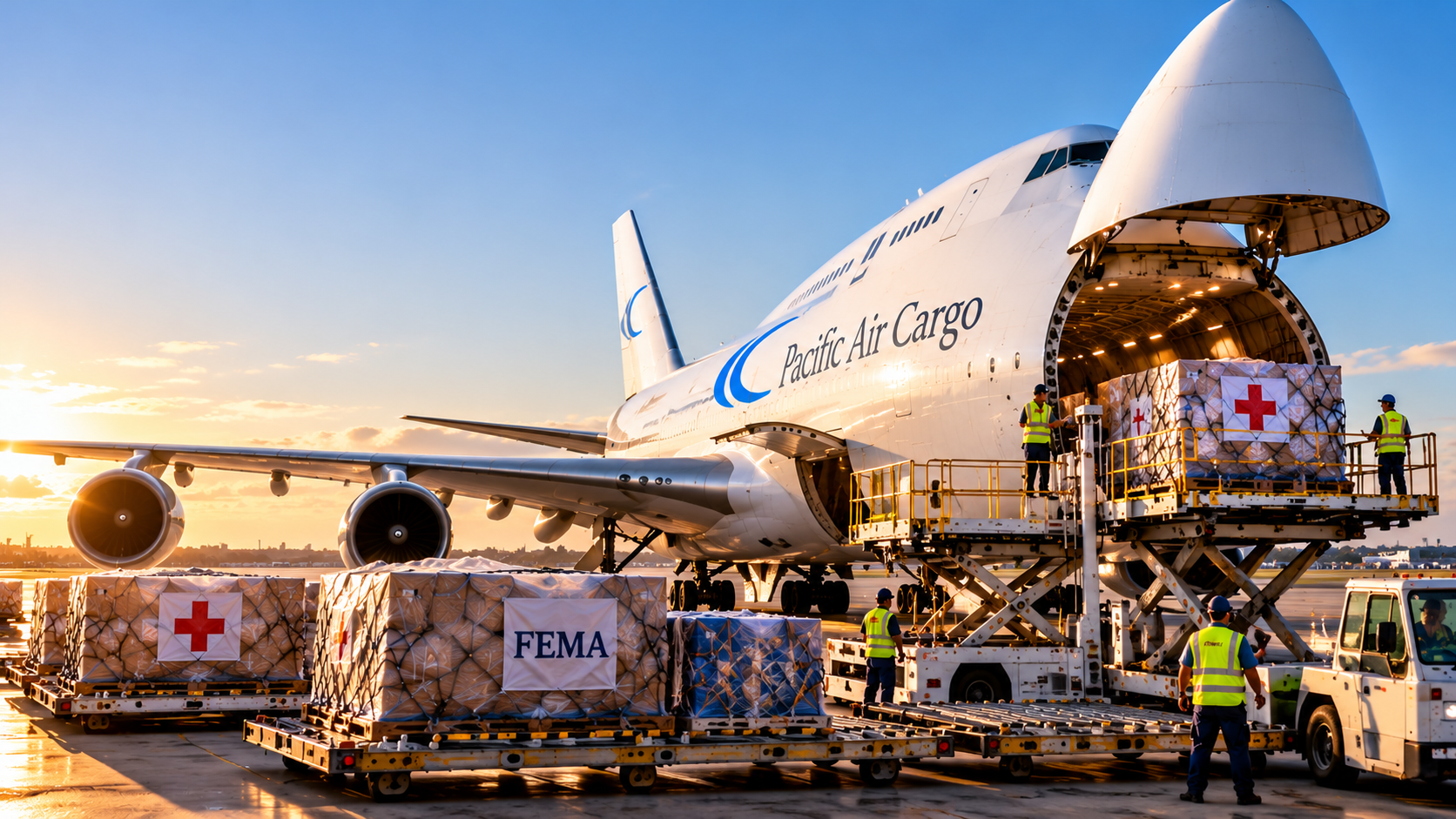
PAC works closely with organizations such as FEMA, the American Red Cross and other humanitarian groups to help coordinate relief movements. Timely communication helps teams understand what is needed, what can be transported and how to prepare cargo for delivery.
The objective is simple: help essential supplies reach the people and communities that depend on them.
More Than Cargo: A Commitment to Pacific Communities
For Pacific Island communities, reliable air cargo service is more than a business convenience. It is part of the infrastructure that supports daily life and helps communities respond when circumstances change without warning.
From routine shipments to disaster relief, medical supplies and urgent charters, Pacific Air Cargo brings regional experience, dependable connections and people committed to finding solutions.
When a shipment is needed to support an emergency or humanitarian mission, contact Pacific Air Cargo to discuss available transportation options, or request a cargo quote.